

For some businesses User Experience (UX) research and implementation is often an afterthought. Justifying Investment in User Experience is sometimes seen as unnecessary or too expensive. However, the cost of not investing in UX best practices and improvements will most likely hurt you over the long run.
A bad user experience might result from: a slow loading site, confusing navigation, poor shopping cart flow, and confusing text to name a few.
The Cost of Not Investing in User Experience
Instead of looking at the cost of UX investment, let’s first look at the cost of not investing in UX. Typically, the opportunity cost of a poor user experience includes:
- Lost revenue
- Poor brand image
- Difficult and expensive customer service
- Opportunity for your competitors
Lost Revenue
A poor user experience will result in lost revenue. This is definitely not “might” but “will”. Users will abandon carts, abandon your business, and have much lower conversion rates with a poor user experience.
Poor Brand Image
You only get one chance to make a good first impression. Most likely, you work hard to get visitors and engagement. A poor user experience can ruin that work and result in frustrated users that never return. I am sure you have a website that you visited once and were so frustrated you never returned.
Difficult and Expensive Customer Service
User experience does not stop at a lead acquisition or sale. If your customer service includes a poor experience, it can result in increased costs in customer service and frustration. For example, if you had a well-organized, easy, and thorough way to answer simple questions you might save phone calls and emails to customer service. Reduced costs should be factored into the overall cost of your UX.
Opportunity for your competitors
A poor user experience can be like chum in the water for your competitors. Your business is probably monitored and evaluated by your competition. If they can pick apart your experience, that gives them the opportunity to do better, and win your customers over.
Justifying UX Expense
Justifying the expense of UX research is often a difficult battle as ROI might be tough to measure. However, if you are looking for investment in UX, you most likely need to justify the value UX can deliver.
Determine the key metrics
Well thought out and key metrics are important, and may vary depending on your business. For example, if you value new lead acquisition the most, your metrics will surround lead measurement and growth. If you aren’t sure what is important, check with competitors and involve senior leadership. It is much better to get it right than measure the wrong thing.
Set goals
We have all heard of SMART goals (Specific, Measurable, Attainable, Relevant, and Timely). Your goals for a UX project investment should build on your key metrics and set goals. Looking back to the lead growth example, a goal might be to increase leads by 10% over the next 12 months. In this example, it is even better to tie this back into revenue. If 10% increase in leads means 100 more leads, and you convert 25% of your leads for an average value of $1000, then your UX project goal will ultimately generate $25,000 in expected revenue.
Get a baseline
Before you start anything, pull a baseline and have a set reporting structure to understand the data. You can’t measure change if you don’t know where to start.
Have a plan and pitch it
So, now you have some numbers and goals as to what a UX investment might mean. Look to include what you are specifically trying to accomplish with the investment and what the resources you might need are.
UX Projects typically include:
- User research – you need to know what users truly think of your site.
- Design optimization – design is the first experience users have. Poor design is an immediate poor user experience. 94% of impressions are based on visual appeal.
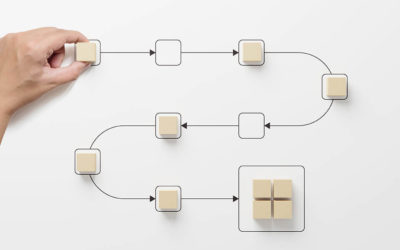
- Workflow optimization – This how customers engage with you to purchase and receive support. There will probably be opportunities for improvement along the way.
UX costs and expense can be tough to communicate. However, with some help from data and a well thought out plan, you can gain support for investment and improvement that will ultimately support your business goals. Learn more about user experience.